
Ant Prevention
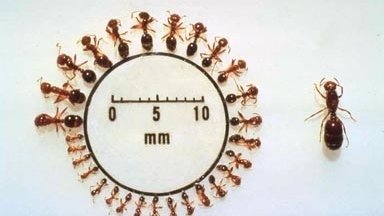
Red Imported Fire Ant LINK
Ant Prevention Tips for Texas Homes & Facilities
Ants are the most common pest complaint we receive, and in Texas they never really go dormant. Mild winters, long summers, and Gulf Coast humidity let colonies stay active nearly twelve months a year. Most ant problems start outside and move indoors when colonies go looking for food, moisture, or shelter from heat, drought, or heavy rain. The steps below make your property a much harder target.
Ants We See Most Often in Texas
Red imported fire ants. Build mounds in lawns, landscape beds, and along slabs and sidewalks. Their stings are painful and can trigger serious allergic reactions. After heavy rain they frequently relocate next to or inside structures, including electrical boxes and AC units.
Tawny crazy ants. First identified in the Houston area in the early 2000s and now established across the Gulf Coast and beyond. They don't build mounds; they nest under almost anything on the ground and show up in enormous numbers. They are known for damaging electrical equipment.
Carpenter ants. Large, usually dark ants that nest in moist or damaged wood, tree hollows, and wall voids. They don't eat wood, but they excavate it, and an indoor colony usually points to a moisture problem.
Pharaoh ants. Tiny, pale ants that nest inside warm wall voids and are a particular concern in nursing homes, hospitals, and apartment buildings. Spraying them with store-bought repellent products typically causes the colony to split into several new colonies, making the problem worse.
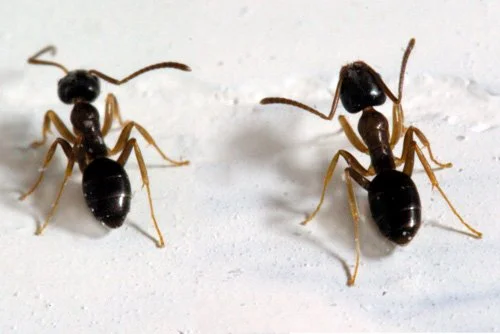
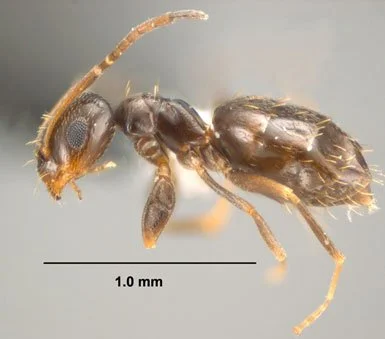
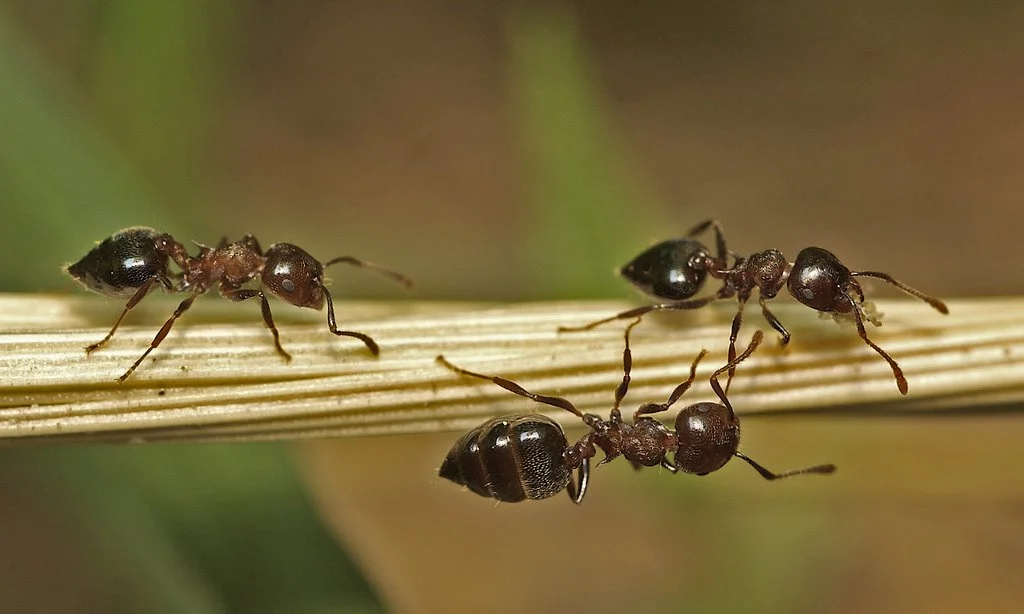
Odorous house ants, rover ants, and acrobat ants. Small nuisance ants that trail into kitchens and bathrooms looking for sweets and water.
Why Prevention Matters
A trail of ants on the counter is the visible five percent of a colony. The queen and brood are hidden in the soil, a wall void, or under a slab, and killing the foragers you can see rarely affects them. Preventing access and removing what attracts them is more effective than reacting after they've settled in.
Prevention
Remove food sources
Wipe counters and sweep floors daily; ants will recruit hundreds of workers to a few crumbs or a sticky spill.
Store sugar, honey, syrup, cereal, and pet food in sealed containers.
Don't leave pet food bowls out overnight. Pick them up and rinse them.
Rinse recyclables before they go in the bin, and keep indoor trash covered.
Remove moisture
Repair leaking faucets, supply lines, and drain traps.
Make sure AC condensate lines drain away from the foundation.
Adjust sprinklers so they aren't soaking the slab or siding.
Clean gutters and extend downspouts away from the house.
Seal them out
Caulk gaps around windows, door frames, and where pipes, cables, and AC lines enter the structure.
Replace worn door sweeps and weather stripping.
Check weep holes and expansion joints, which are common ant highways.
Manage the yard
Trim tree limbs and shrubs so nothing touches the roof or siding. Ants use branches as bridges.
Keep mulch a few inches deep at most and pulled back from the foundation.
Store firewood, lumber, and stacked materials off the ground and away from the house.
Treat fire ant mounds promptly, and consider a broadcast bait program in spring and fall rather than chasing individual mounds.
For Property Managers and Healthcare Facilities
In multi-unit buildings, ants travel along plumbing and electrical chases. Treating one unit at a time usually just moves the problem next door; building-wide inspection works better.
Ask residents and staff not to use over-the-counter sprays, especially for small indoor ants. If the species is Pharaoh ants, spraying spreads them.
In care facilities, fire ants are a resident safety issue, not just a nuisance. Residents with limited mobility cannot move away from stinging ants. Keep grounds inspected, keep beds away from exterior walls where ants have been seen, and report indoor ant activity immediately.
Keep dumpster pads clean, enclosure drains clear, and landscape irrigation off the building.
Include food storage in resident rooms, break rooms, and nurse stations in your sanitation rounds.
When to Call a Professional
Call us if you see ants indoors repeatedly, find fire ant mounds against the foundation, notice ants around electrical equipment, see large ants or sawdust-like debris near wood, or if do-it-yourself treatment hasn't worked within a couple of weeks. Correct identification comes first, because the right treatment for one species can make another species worse.
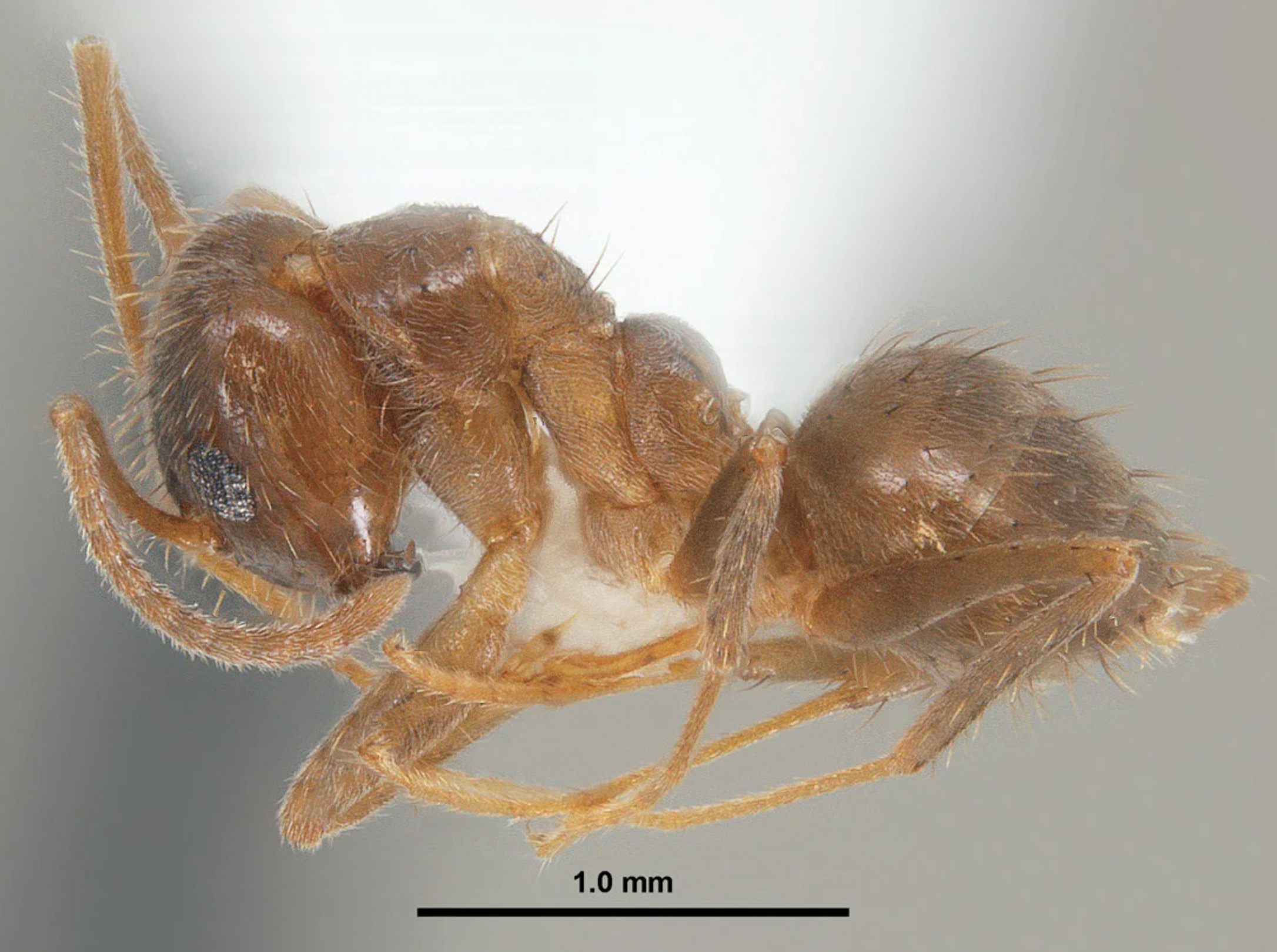
Tawny Crazy Ant LINK
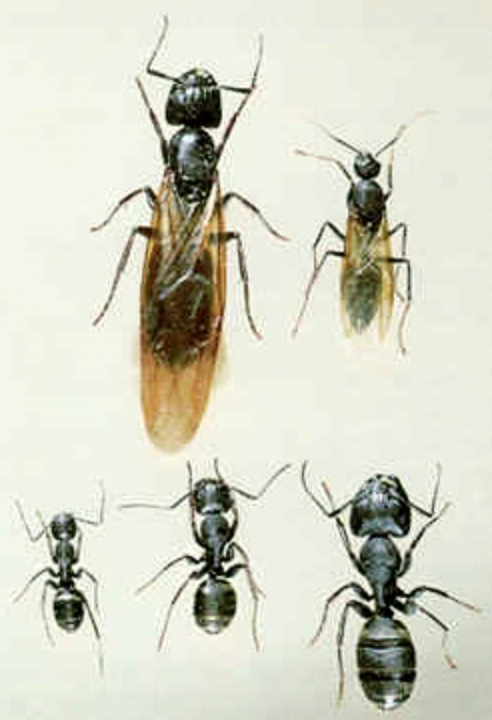
Carpenter Ant LINK
Pharaoh Ant LINK
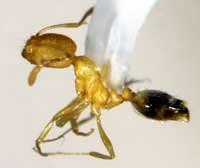
Odorous House Ant LINK
Rover Ant LINK
Acrobat Ant LINK